A Boiling Springs blonde can leave the salon exactly right and watch the color slide warm, dull, or slightly green within a fortnight of washes at home. The color did not fail. The water is adding something: minerals that coat the hair, react with color, and change what the eye sees. Well water and hard municipal water both do it, with slightly different culprits, and pools get blamed for some of it unfairly while causing a different problem of their own.
The claims, sorted
| Claim | Verdict | The plain version |
|---|---|---|
| Chlorine turns blonde hair green | Mostly false | Copper in pool water, from algaecides and plumbing, binds to hair and reads green. Chlorine helps it stick by roughening the hair. |
| Hard water changes color | True | Calcium and magnesium build a dulling film; iron in well water adds orange and rust tones that look like brass. |
| Brassy means the toner washed out | It depends | Toner always fades gradually, but brass that returns fast and feels rough is usually mineral deposit on top of the color. |
| A clarifying shampoo removes all buildup | False | Clarifiers remove product and surface residue. Mineral deposits need a chelating product, which is made to lift minerals off the hair. |
| Purple shampoo fixes green hair | False | Purple neutralizes yellow tones. Green needs the copper removed first; toning over deposits just muddies the result. |
| Filtering shower water helps | True | A shower filter reduces some chlorine and sediment, though it does not fully soften hard water. It slows buildup rather than stopping it. |
Telling the sources apart
Iron-heavy well water pushes hair orange, gold, or rusty, and often leaves the hair feeling rough and dry at the same time. The same iron may leave orange staining in sinks and tubs, which is a useful clue: if the porcelain shows it, the hair is getting it too. Hard water with mostly calcium and magnesium is sneakier; color looks flat and ashy-dull rather than orange, shampoo lathers poorly, and hair feels coated no matter how long you rinse.
Pool green is different in both color and timing. It concentrates on the lightest, most porous hair, especially the ends, and appears after swimming rather than gradually in the shower. Pre-wetting hair with clean water before swimming fills the strand so it absorbs less pool water, which is why that old advice actually works.
Clarifying versus chelating
These two words get used as if they were the same product, and they are not. Clarifying shampoo is a deep cleanser for oils, silicones, and styling residue. Chelating treatments contain ingredients that bind minerals and pull them off the hair shaft, which is the job that matters for well and hard water. Using a clarifier weekly on mineral-coated hair mostly dries it out while the deposits stay. Using a chelating treatment on a sensible schedule, often at the salon before color appointments, gives color a clean surface to land on.
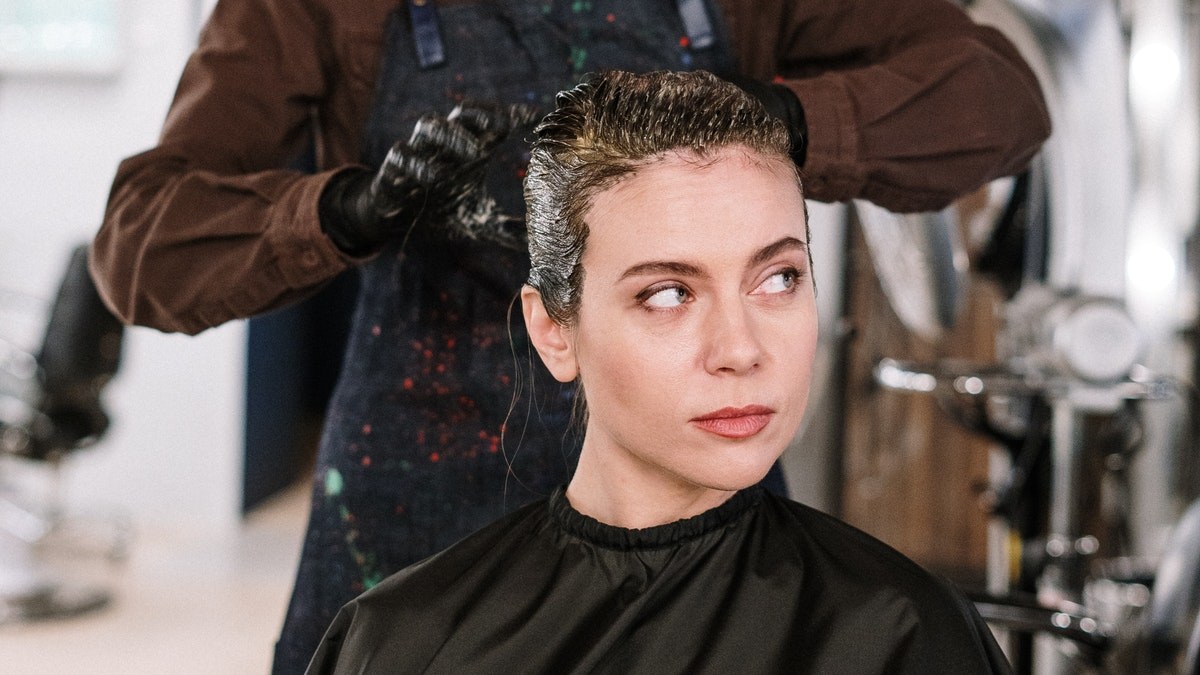
Order matters before a color service. Hair should be clarified or chelated and assessed first, then colored, because minerals left in the hair can react with color and lightener and skew the result. Mentioning your water source at booking, well, city, or a mix, lets a salon like Hair Razors build that prep into the appointment instead of discovering it mid-service.
Living with your water
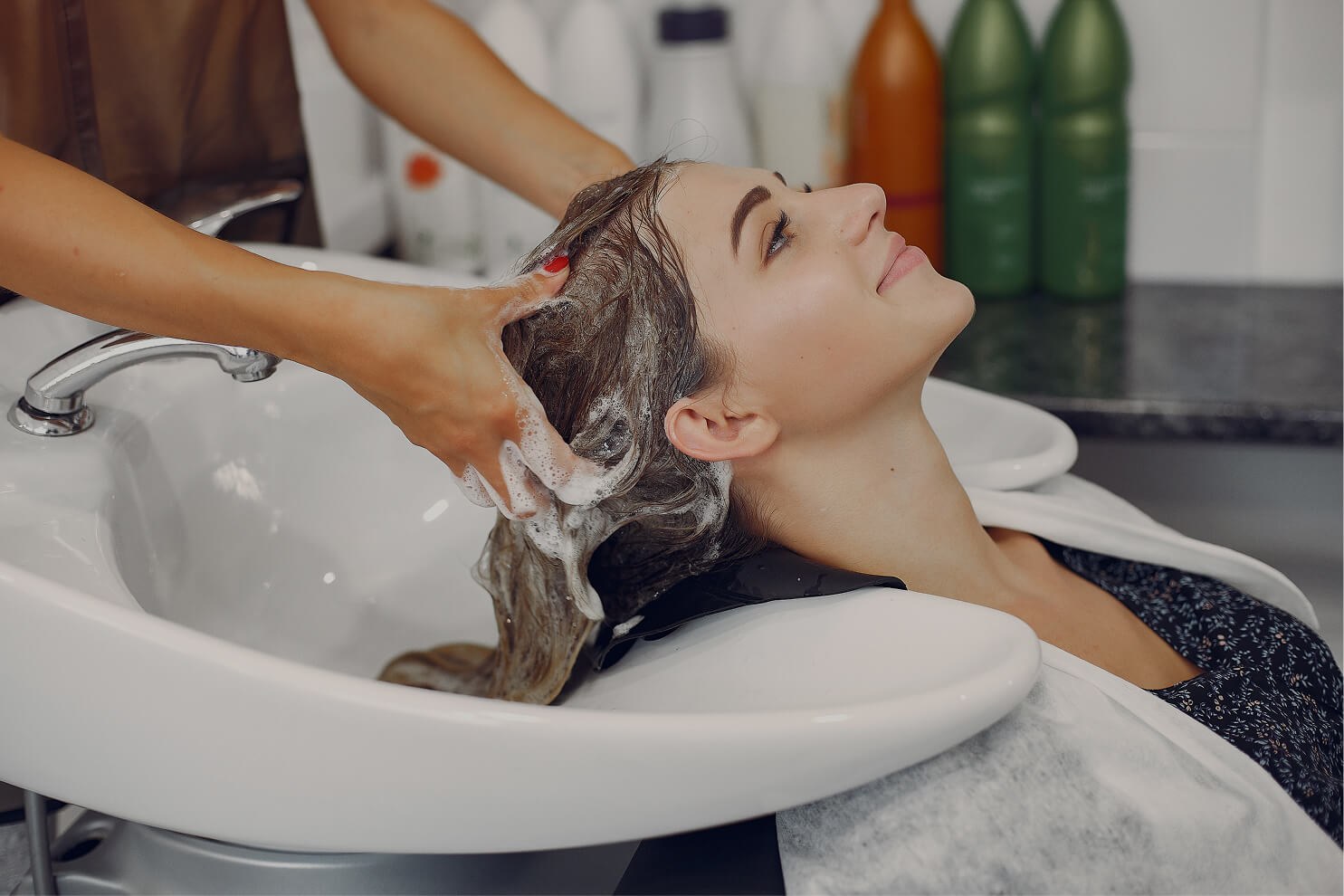
At home, a final rinse with filtered or bottled water on color-critical days sounds fussy but genuinely helps very light blondes on iron-heavy wells. Keep heat moderate, since rough, mineral-coated hair damages faster. And judge brass by touch as well as tone: if the hair feels progressively rougher and tangles more as the color warms, suspect deposits and treat the cause, not just the color.
A useful home test takes one wash. If a single chelating wash at the salon, or one careful treatment at home, makes the hair feel noticeably smoother and look visibly brighter before any toner touches it, minerals were carrying much of the blame. If nothing changes, the tone itself needs work and the conversation returns to the color. Either way you have evidence instead of a guess, and the next appointment can be planned around the actual cause rather than a hopeful reformulation.
It also helps to separate the water you wash with from the water you swim in, because treating both with one product rarely works. Pool exposure is occasional and concentrated, best handled with pre-wetting and a prompt rinse. Household water is daily and dilute, best handled with periodic chelating and, for some homes, filtration. Matching the response to the exposure keeps strong treatments occasional, which your hair will thank you for.
Common questions
How do I know if my water is the problem?
Look for the pattern: fast-fading color, rough texture, poor lather, and mineral staining on fixtures at home. A salon can confirm with how the hair responds to a chelating treatment.
Will a water softener fix brassy hair?
Softening removes much of the calcium, magnesium, and some iron that cause deposits, so most people see color last longer. Existing buildup still needs to be chelated off the hair.
Can I use a chelating shampoo every wash?
That is usually too much; these are strong cleansers. Most hair does well with periodic use matched to exposure, with gentler shampoo between.
Photos in this guide are representative stock images.
← All guides from Hair Razors← Back to Hair Razors